

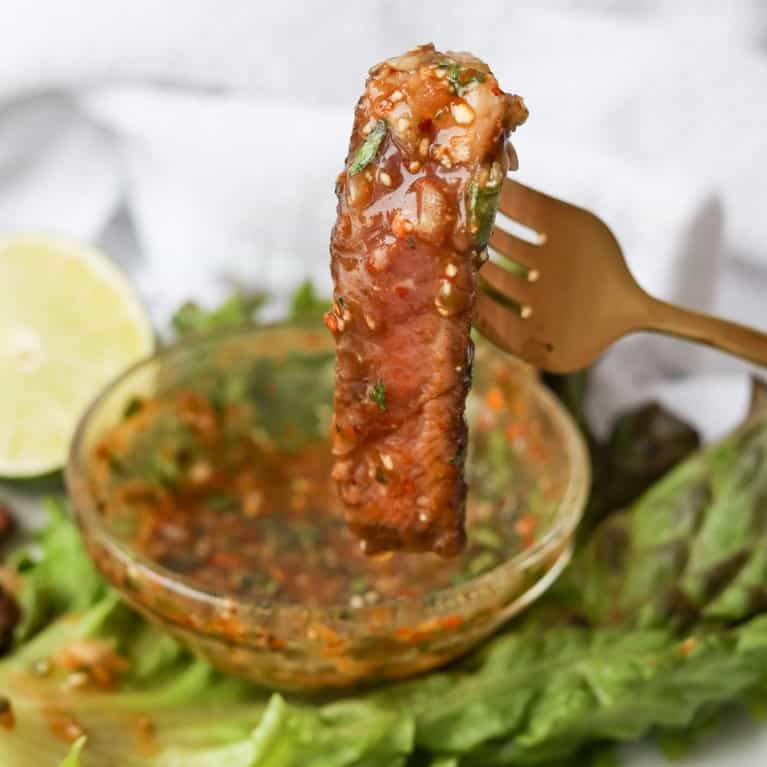
Juicy strips of steak served with a sweet, tangy, spicy Thai dipping sauce. This quick and easy crying tiger beef recipe is ready in 30 minutes with a pan (no grill required). It's a flavorful main that's both family-friendly and better-than-takeout and great for busy weeknights.
Jump to:
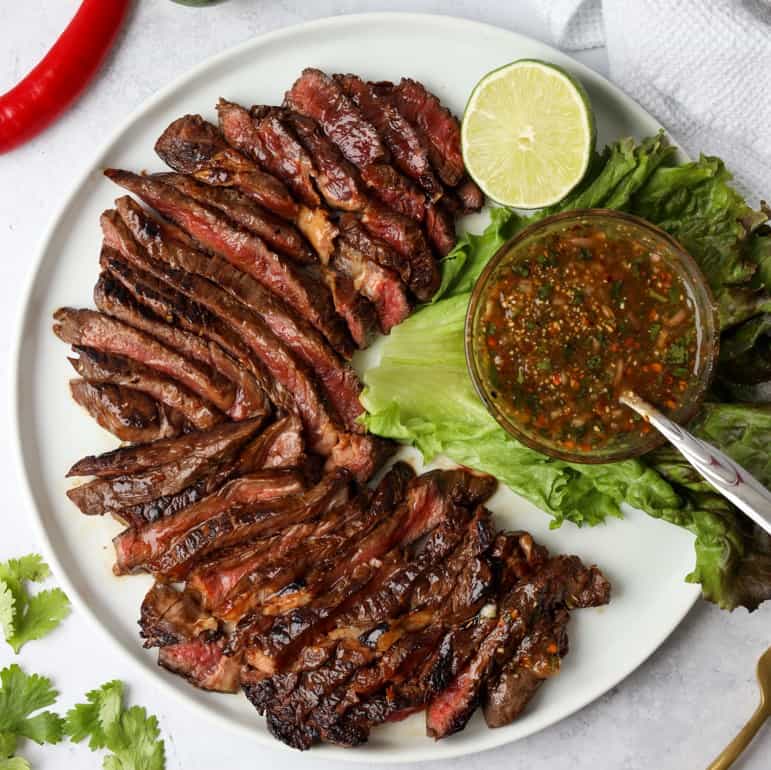
Crying Tiger Beef (aka 'Crying Tiger Steak' or 'Suea Rong Hai' in Thai) is a popular Thai dish from the Northeastern part of Thailand. It's beloved for its tender texture, complex and umami flavors!
This steak is served at Thai restaurants with a sweet, tangy, and spicy dipping sauce called Nam Jim Jaew. It's also best paired with steamed rice, fresh cucumbers, tomatoes, and lettuce for a refreshing balance!
One story behind the name of the dish is that when the beef is grilled, the dripping fat looks like tears. To be clear, there is NO tiger meat in this recipe!
Why This Recipe
- We let the steaks come to room temperature before cooking to achieve even, perfect doneness.
- After testing this recipe with several cuts, I recommend ribeye or sirloin for the best results.
- Unlike most crying tiger beef recipes that can turn out tough and chewy, my method of using a digital thermometer to monitor internal temperature keeps the meat tender and juicy.
Ingredients & Substitutes
Please scroll to the recipe card below for exact measurements.
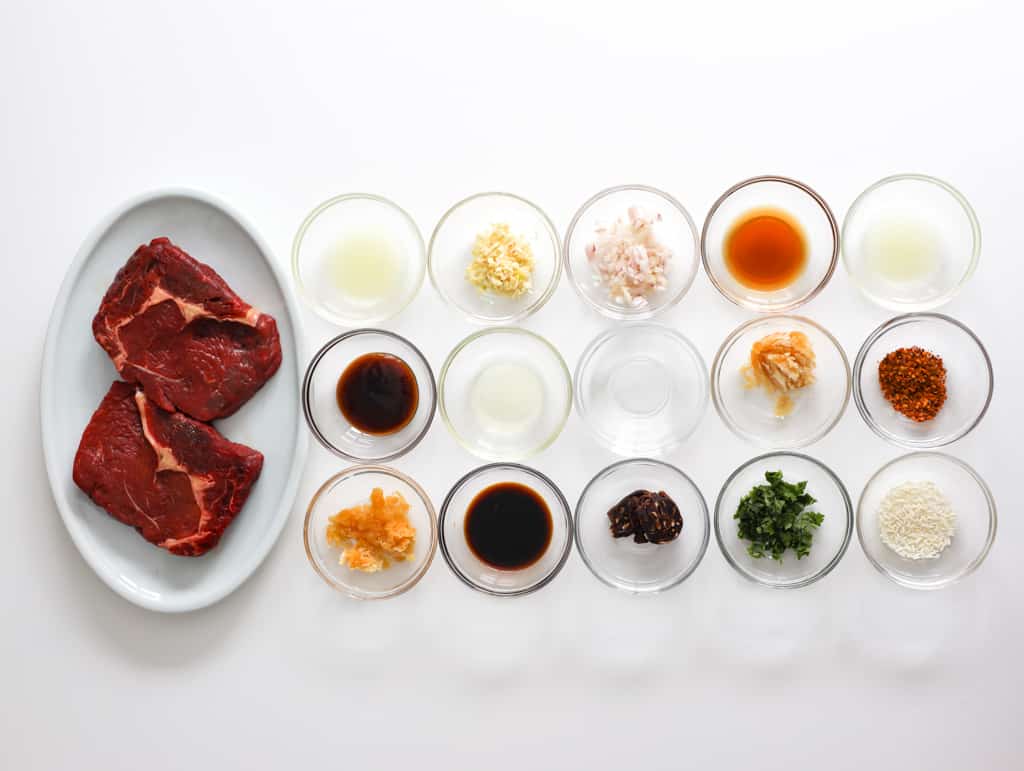
- Ribeye Steaks or Sirloin Steaks: Choose fresh steaks that are about 1-inch thick. Substitutions: Use striploin, New York strip, or skirt steak.
- Neutral Oil: Use high-smoke-point oils like avocado, peanut, vegetable, canola/rapeseed, or sunflower oil. Avoid extra-virgin olive oil (smokes at high heat).
Marinade
- Oyster Sauce: A thick, savory sauce rich in umami [I recommend Lee Kum Kee Panda or Premium]. Substitution: Vegetarian stir-fry sauce.
- Palm Sugar: To balance the salty flavors. Substitution: Brown sugar or coconut sugar.
- Fresh Lime Juice: To add tangy flavor and tenderize the beef. Do not substitute with lemon juice or artificial lime juice.
- Regular Soy Sauce: Any all-purpose brand works [I recommend Kikkoman or Lee Kum Kee]. Low-sodium or light soy sauce also work.
- Garlic Cloves: To add aroma and flavor. Substitution: Jarred minced garlic.
- Neutral Oil: See notes above.
Dipping Sauce
- Tamarind Pulp: The base of our dipping sauce. I recommend using this over tamarind concentrate as it tastes better.
- Boiling Water: To dissolve the tamarind pulp.
- Uncooked Glutinous Rice (aka Sticky Rice): To create roasted rice powder and adds a nutty aroma. Substitution: Jasmine rice.
- Palm Sugar: See notes above.
- Shallots: To add flavor and fragrance.
- Cilantro: To add color, taste, and aroma. Substitution: Coriander.
- Fish Sauce: This adds a salty umami taste [I recommend Red Boat, Squid, or Thai Kitchen]. Substitution: Use soy sauce mixed with a squeeze of lime juice.
- Fresh Lime Juice: See notes above.
- Thai Chili Flakes: To add spice. Substitution: Korean red pepper flakes (gochugaru).
Note: Most Asian ingredients are typically found at Asian grocery stores, or you can check online.
Instructions
Below are step-by-step instructions on how to make Crying Tiger Beef:
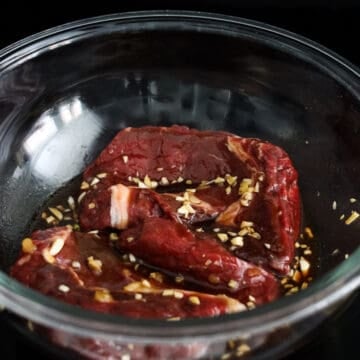
- Marinate the steaks: In a large bowl, combine the marinade ingredients as listed above. Evenly coat the steaks in the marinade and rest for at least 15 minutes at room temperature.
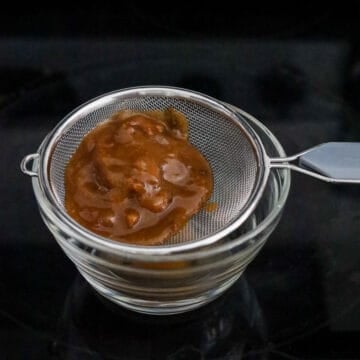
- Make the tamarind paste: In a small bowl, combine the tamarind pulp and boiling water. Dissolve the pulp with a fork. Once cooled, dissolve the pulp around the seeds with clean hands. Run the paste through a fine sieve to remove any pulp or seeds. Set aside.
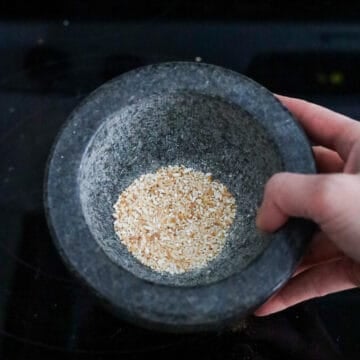
- Make the rice powder: Heat a dry pan on medium heat and toast rice grains until slightly brown, about 3-4 minutes. Transfer toasted rice to a mortar and pestle, spice grinder, or a blender, and grind into a fine powder.
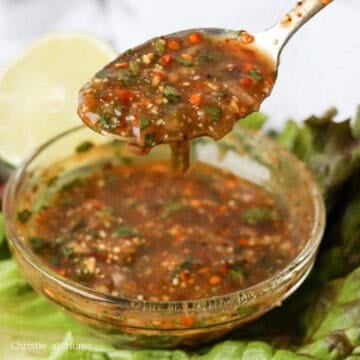
- Prepare the dipping sauce: In a small bowl, combine the tamarind paste, rice powder, and remaining dipping sauce ingredients as listed above and set aside.
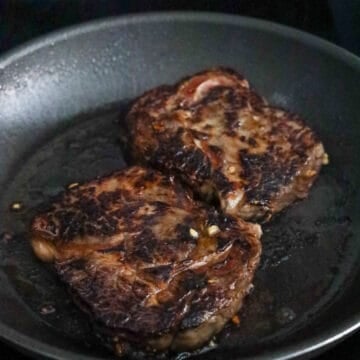
- Cook the steaks: Heat vegetable oil in a heavy-bottomed frying pan or cast-iron skillet over medium-high heat. Add the steaks and sear for 3-4 minutes per side for rare to medium-rare (internal temperature 131-139°F). For medium-well, reduce the heat to medium and cook an additional minute per side (150-158°F). For well-done, continue cooking on medium heat for 2-3 extra minutes per side (158°F).
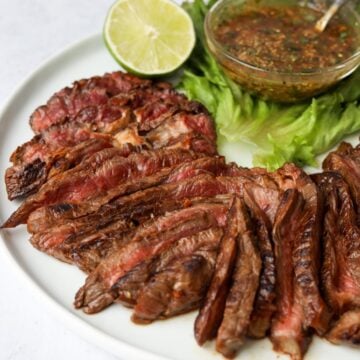
- Slice and serve: Remove the steaks from the pan and rest for 10 minutes. Slice against the grain into strips. Serve sliced steak with the dipping sauce!
Expert Tips
- Use pure tamarind pulp to make the paste - avoid tamarind concentrate, as homemade paste has a richer, fresher taste.
- Allow the steaks to come to room temperature before cooking for more even doneness.
- Marinate the steaks for at least 15 minutes to let the flavors penetrate.
- Keep a close eye on the rice while toasting to prevent it from burning.
- Decide how rare you want the steaks before cooking to avoid overcooking.
- After cooking, let the steaks rest for 10 minutes so the juices redistribute.
- Slice the steaks against the grain at an angle to ensure a tender, easy-to-chew texture.
Variations
- Chicken version: Swap the steak with skinless, boneless chicken thighs and cook to an internal temperature of 165ºF.
- Pork version: Swap the beef with pork chops or sliced pork shoulder and cook to an internal temperature of 145ºF.
- Gluten-free version: Use gluten-free oyster sauce and substitute the soy sauce with tamari sauce or coconut aminos.
Pairing Suggestions
Crying Tiger Steak pairs well with:
- Starters: Egg Rolls or Fresh Spring Rolls.
- Vegetable Dishes: Garlic Green Beans or Stir-fried Snow Pea Leaves.
- Noodle Dishes: Thai Drunken Noodles, Pad See Ew, or Pad Woon Sen
- Rice Dishes: Steamed rice, Thai Spicy Basil Fried Rice, or Thai Railway Fried Rice.
- Protein Dishes: Thai Garlic Shrimp or Pad Kra Pao.
Storage & Reheating
- Leftover Crying Tiger Beef and the dipping sauce can last up to 4 days when stored in an airtight container in the fridge. To enjoy, reheat the steak in the microwave or on the stovetop until heated through.
- Freezer: Crying Tiger Beef can be frozen for up to 3 months without the dipping sauce. To freeze, wrap each piece of steak in plastic wrap and store in a freezer-safe bag. To enjoy, defrost overnight in the fridge and reheat in the microwave or on the stovetop until hot throughout. The dipping sauce is not ideal for freezing as the aromatics will become mushy.
FAQ
Crying tiger beef can be made up to 4 days in advance and stored in an airtight container in the fridge. To enjoy, reheat in the microwave or on the stovetop until heated through. I suggest making the dipping sauce closer to serving for best taste.
The beef can be cooked on a barbecue grill or griddle pan. If using a grill, preheat the grill until it reaches 500ºF and lightly oil the grates. Grill steaks for about 5-7 minutes per side until your preferred level of doneness.
📖 Recipe
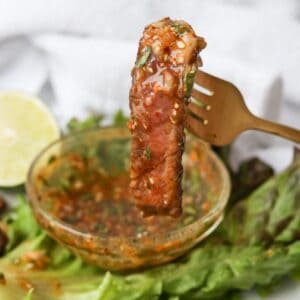
Quick & Easy Crying Tiger Beef

Ingredients
- 1 lb ribeye steak or sirloin / striploin / NY strip, 1-inch thick
- 2 teaspoon vegetable oil or any neutral oil
Steak Marinade
- 1 tablespoon oyster sauce or vegetarian stir-fry sauce
- 1 tablespoon palm sugar finely chopped (sub: brown sugar)
- 1 tablespoon lime juice fresh
- 1 tablespoon regular soy sauce or light soy sauce
- 2 teaspoon garlic minced
- 2 teaspoon vegetable oil or any neutral oil
Dipping Sauce
- 1 tablespoon tamarind pulp
- 3 tablespoon hot boiling water
- 1 teaspoon uncooked glutinous rice
- 1 tablespoon palm sugar finely chopped (sub: brown sugar)
- 1 tablespoon shallots finely diced
- 1 tablespoon cilantro finely chopped
- 1 tablespoon fish sauce
- 1 tablespoon lime juice fresh
- ½ teaspoon Thai chili flakes or gochugaru
Instructions
- In a large bowl, combine the marinade ingredients as listed above. Evenly coat the steaks in the marinade and rest for at least 15 minutes at room temperature.
- In a small bowl, combine the tamarind pulp and boiling water. Dissolve the pulp with a fork. Once cooled, dissolve the pulp around the seeds with clean hands. Run the paste through a fine sieve to remove any pulp or seeds. Set aside.
- Heat a dry pan on medium heat and toast rice grains until slightly brown, about 3-4 minutes. Transfer toasted rice to a mortar and pestle, spice grinder, or a blender, and grind into a fine powder.
- In a small bowl, combine the tamarind paste, rice powder, and remaining dipping sauce ingredients as listed above and set aside.
- Heat vegetable oil in a heavy-bottomed frying pan or cast-iron skillet over medium-high heat. Add the steaks and sear for 3-4 minutes per side for rare to medium-rare (internal temperature 131-139°F). For medium-well, reduce the heat to medium and cook an additional minute per side (150-158°F). For well-done, continue cooking on medium heat for 2-3 extra minutes per side (158°F).
- Remove the steaks from the pan and rest for 10 minutes. Slice against the grain into strips. Serve sliced steak with the dipping sauce!

mike emm
cant find the video
Bunnee
My favorite crying tiger recipe ! For the dipping sauce I used a lot of cilantro, extra lime juice and kept everything else the same , then purée/blended everything together! For the steak I used Costcos prime rib eye steaks, let it sit in the marinade for 1-2 hrs, then searing it in a heated cast iron pan for 1-2 min per sides , added some butter and finished it off in the oven at 400f for 10-12mi. For medium well ….and it came out perfectly —tender and juicy! I also replaced half the lime juice for lemon juice since I was out of limes and it was still delicious!
Christie Lai
Thank you so much for making my recipe and for sharing your process with us! Glad it came out perfectly! Have a wonderful day!
Jon H
I had this dish at a local restaurant and fell in love. This recipe was very close in flavor and totally amazing. Thanks for sharing this gem!
Christie Lai
I am so glad to hear this Jon! Thanks so much for making my recipe and hope you continue to enjoy it for years to come.
Colleen
Oh..I'm Canadian as well, so please name the stores I may find it, as I may just have one in my area. I'm in Ontario!
Colleen
I’m quite excited to make this! Have been in Thailand for 2 months. I was wondering, have you been able to find palm sugar at home? If so, where?
christieathome
Hi Colleen, I am excited for you to make it as well and I hope you enjoy it! I found my palm sugar in an Asian grocer called T&T Supermarket 🙂 They come in circular dome pucks. Good luck!