

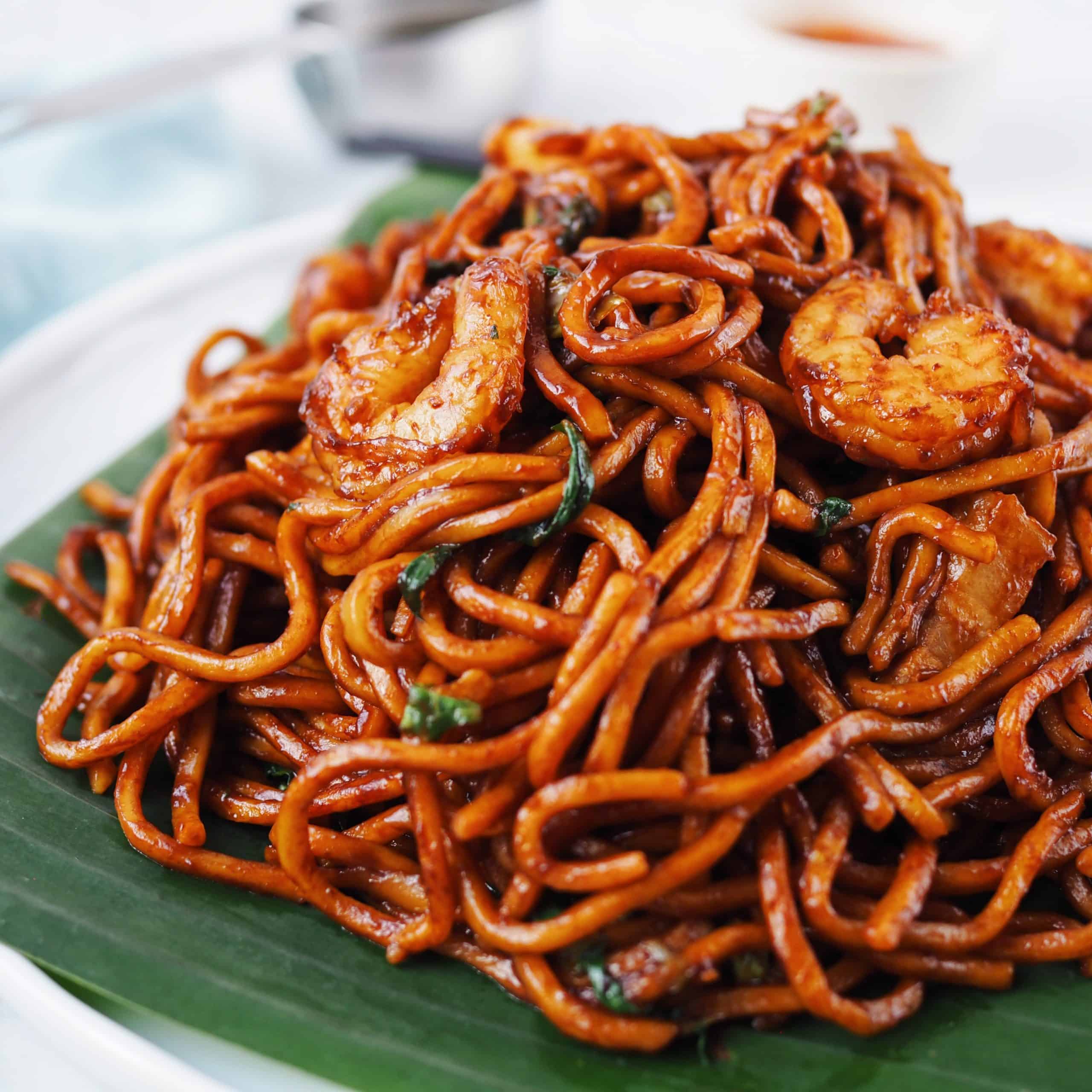
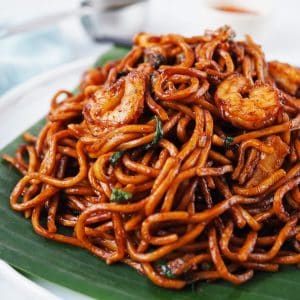
Thick, glossy noodles tossed with pork belly, shrimp, and crisp vegetables. This easy KL Hokkien Mee recipe comes together in just 30 minutes for a savory dinner you'll crave.
Jump to:
Whenever my husband and I return to his hometown of Kuala Lumpur, these are the noodles we always order. I love KL Hokkien Mee because simple ingredients create deep, bold flavors.
KL Hokkien Mee is a classic Malaysian noodle dish from Kuala Lumpur. It's traditionally associated with Ong Kim Lian, a Fujian immigrant credited with popularizing the dish. Today, this main is served at Malaysian restaurants, food stalls, and hawker centers in Singapore.
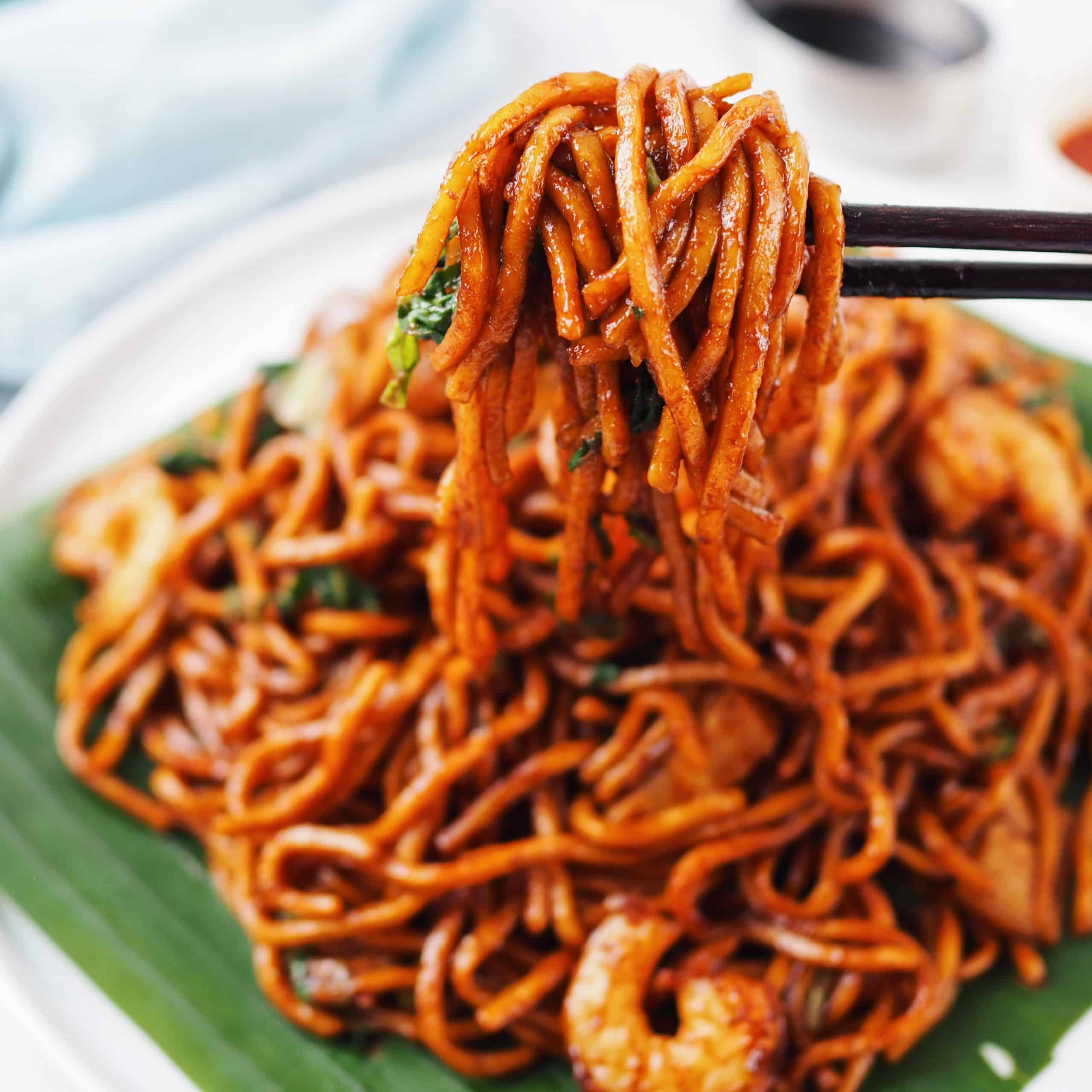
For the best flavor, cook the noodles in a carbon steel wok over medium-high heat to develop smoky wok hei. A non-stick pan works too, but won't produce the same smoky char.
Why My Recipe Works
- Quick noodle blanching: Loosening the noodles briefly in boiling water and draining them right away keeps them from becoming soggy during the stir-fry.
- Pork fat rendering: Browning the pork belly well draws out the natural fat, which coats the noodles and adds depth to the sauce.
- Shrimp searing: Cooking the shrimp until they're mostly pink but still slightly translucent in the center keeps them tender and prevents them from becoming rubbery.
Ingredients & Substitutes
Exact ingredient amounts are listed in the recipe card at the bottom of this page.
Main Ingredients
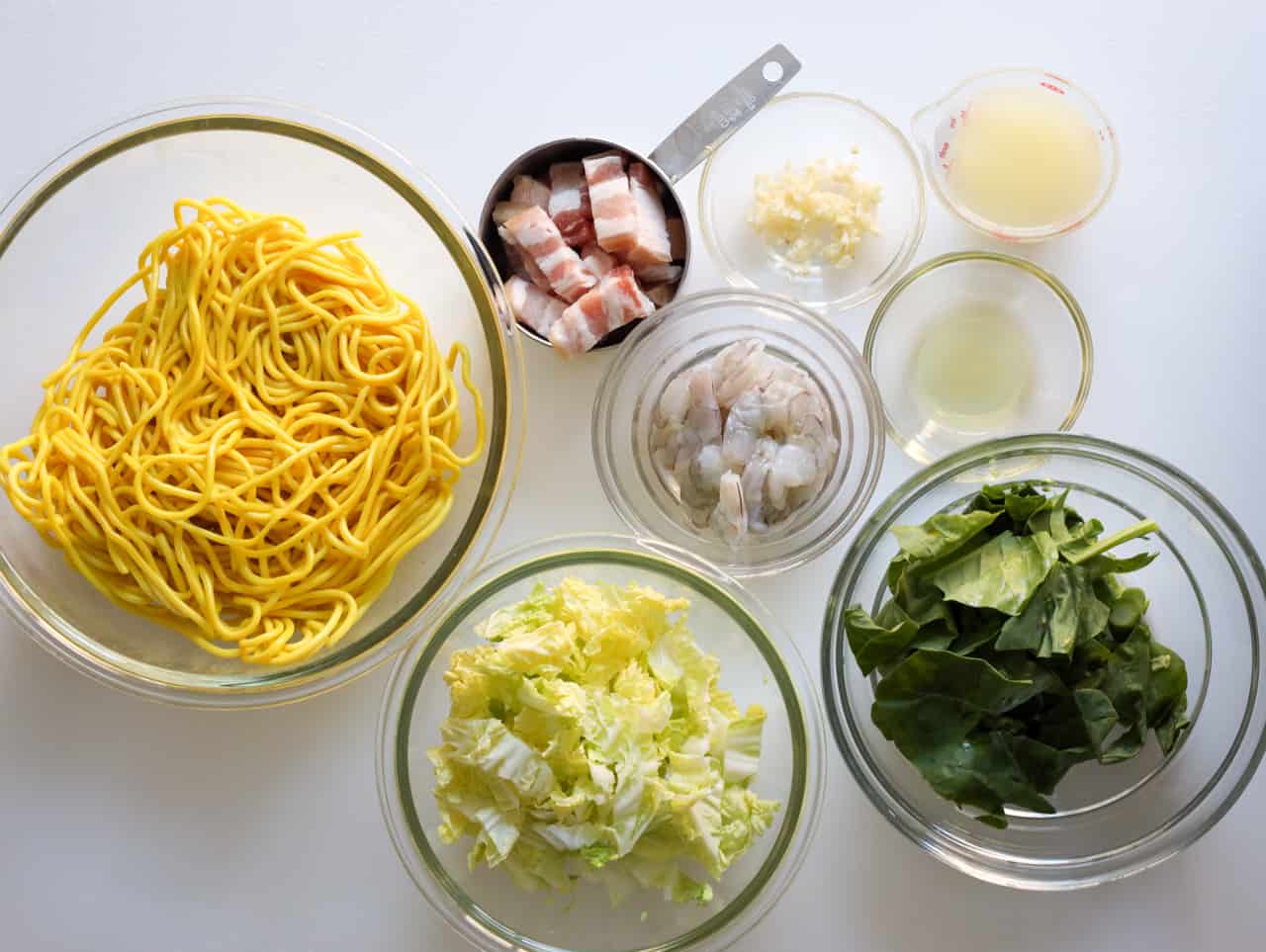
- Hokkien noodles: Thick yellow wheat noodles with a chewy bite. (Sub: fresh lo mein or udon)
- Pork Belly: Slice into 1⁄2-inch-thick, bite-sized strips so they render evenly while keeping a meaty bite.
- Raw jumbo shrimp: Add sweetness and a meaty texture. (Sub: extra-large shrimp or sliced fish balls)
- Garlic: Freshly minced for a savory base. (Sub: jarred minced garlic)
- Chinese cabbage: Adds sweetness and crunch. (Sub: napa cabbage)
- Chinese broccoli: Adds slight bitterness and crisp texture. (Sub: yu choy sum)
- Vegetable oil: Use a neutral, high-smoke-point oil. (Sub: canola or peanut oil)
- Chicken stock: Use low-sodium stock to control the salt.
Noodle Sauce
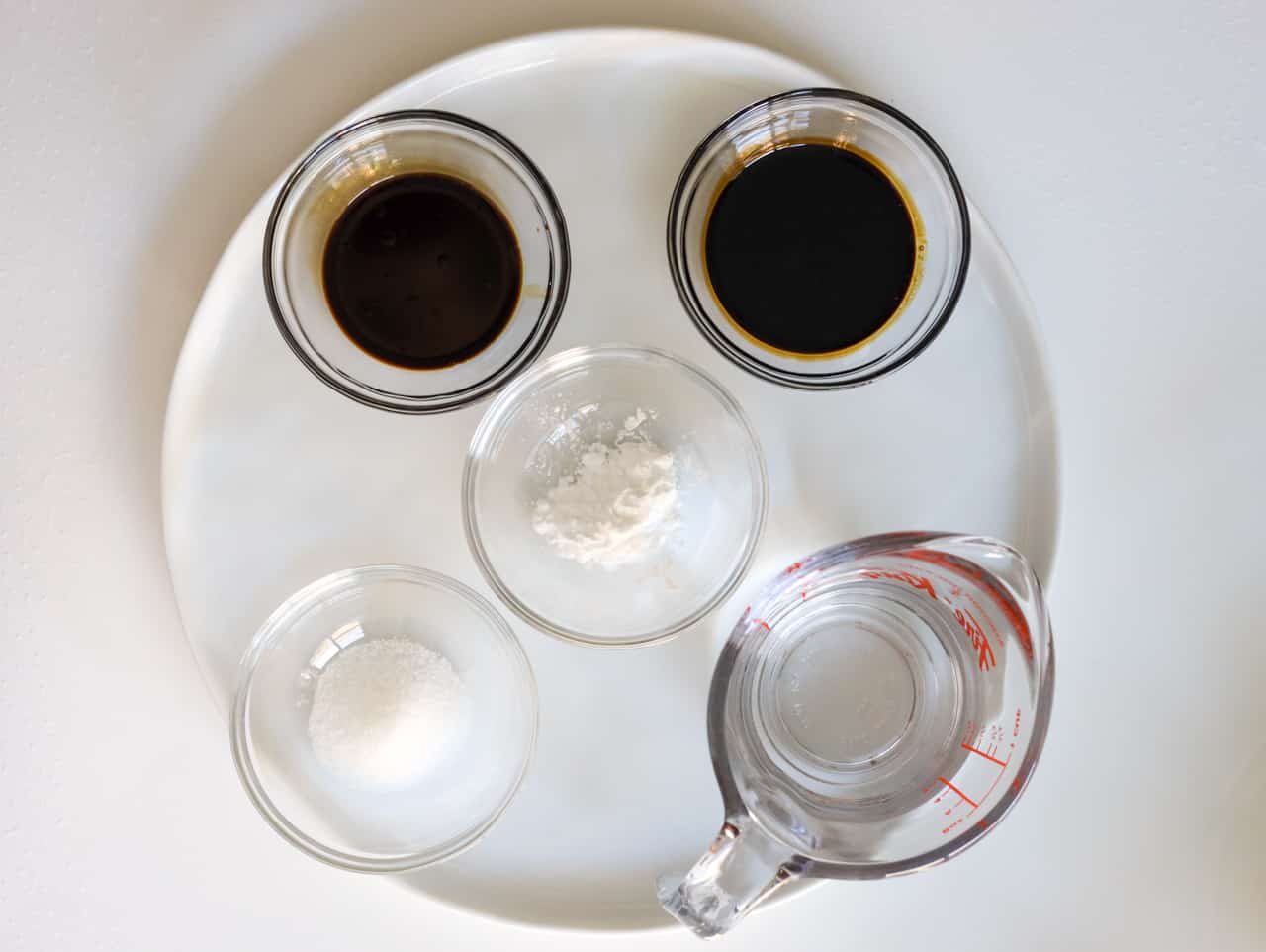
- Sweet soy sauce (kecap manis): Adds sweetness, thickness, and umami. (Sub: dark soy sauce + sugar)
- Dark soy sauce: Adds deep color and savory flavor.
- Granulated sugar: Balances the salty soy sauces. (Sub: cane sugar)
- Cornstarch: Thickens the sauce so it coats the noodles. (Sub: potato or tapioca starch)
- Cold water: Helps thin the sauce and evenly dissolve the cornstarch before cooking.
Note: Most Asian grocery stores carry these ingredients, and they are also available online.
Instructions
Below are step-by-step instructions on how to make KL Hokkien Mee:
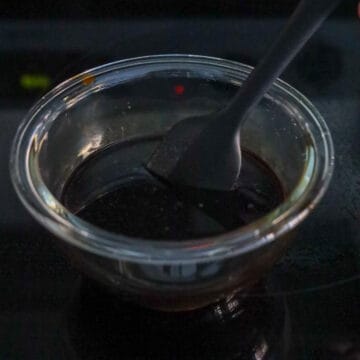
- Make the sauce: In a small bowl, whisk the listed noodle sauce ingredients until the sugar fully dissolves and set aside.
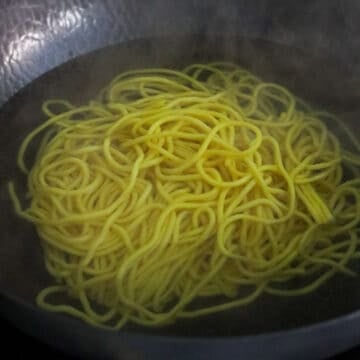
- Blanch the noodles: Bring a large pan of water to a boil over medium-high heat. Blanch the noodles for 20-30 seconds, just until loosened. Drain and set aside.
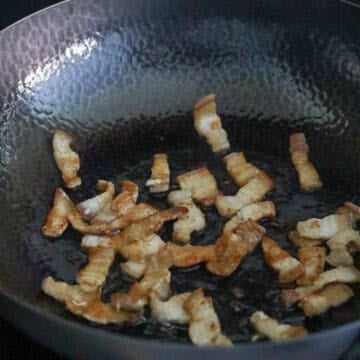
- Cook the pork belly: Heat the vegetable oil in the pan over medium heat. Add the pork belly and cook until lightly browned and some of the fat has rendered
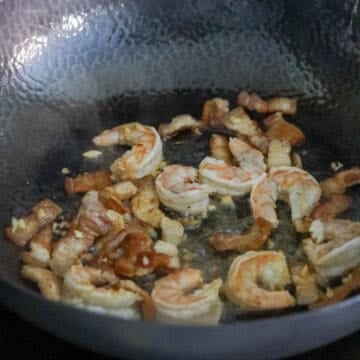
- Cook the shrimp: Add the garlic and shrimp. Cook until the shrimp are mostly pink but still slightly translucent in the center.
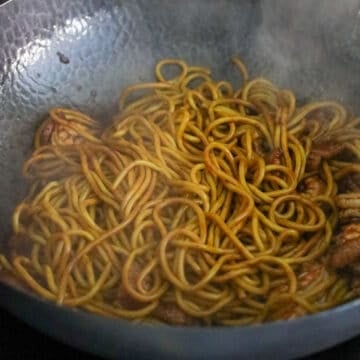
- Add the noodles and sauce: Increase the heat to medium-high. Add the noodles and sauce, tossing until evenly coated and most of the sauce has been absorbed.

- Add the vegetables and stock: Add the Chinese broccoli, Chinese cabbage, and chicken stock. Toss until combined and the noodles have absorbed the stock. Transfer to a large serving plate.
Expert Tips
- Clean the shrimp: Rinse the peeled and deveined shrimp to remove any debris and unwanted odors.
- Whisk the sauce again: Cornstarch settles at the bottom, so give the sauce a good whisk right before adding it to the pan.
- Keep the noodles moving: Toss the noodles with the sauce to coat them evenly and prevent the sweet soy sauce from sticking.
- Watch the stock: Cook until the noodles absorb most of the liquid before serving.
- Serve immediately: The noodles are best served hot while the sauce is still glossy.
Variations
- Vegetarian: Replace the pork and shrimp with extra-firm tofu or scrambled eggs, and use vegetable broth instead of chicken stock.
- Protein Swap: Replace the pork belly with thinly sliced chicken thighs or beef.
- Gluten-Free: Use gluten-free udon noodles. Use gluten-free tamari instead of dark soy sauce, and certified gluten-free kecap manis instead of regular sweet soy sauce.
Pairing Suggestions
Serve KL Hokkien mee with:
- Malaysian Curry Puffs: Flaky, savory, and spiced, they make a great starter before the noodles.
- Nasi Goreng: Hearty Indonesian fried rice that pairs well with the rich noodle dish.
- Chinese Garlic Yu Choy: Crisp and garlicky, it balances the rich, sweet soy glaze.
Storage & Reheating
- Refrigerator: Store leftovers in an airtight container for up to 4 days.
- Freezer: Freezing is not recommended, as the noodles and vegetables can become watery and soggy when thawed.
- Reheating: Microwave on high for 2 minutes, or reheat in a skillet over medium heat with 2 tablespoons of water for about 3 minutes, until hot.
FAQ
This can happen if the cornstarch settled before adding the sauce or if the sauce didn't get hot enough to thicken. Whisk the sauce well before adding it, and keep the pan at medium-high heat until the sauce coats the noodles.
Yes, but the noodles will be lighter in color and saltier. For the intended flavor and color, dark soy sauce is best.
Add 2-3 tablespoons of chicken stock or warm water and toss over medium-high heat until the noodles loosen and the sauce is glossy.
More Like This
📖 Recipe
Easy KL Hokkien Mee

Ingredients
- 1 lb Hokkien noodles or fresh lo mein noodles
- ½ lb pork belly strips cut ½" thick strips
- ½ lb jumbo shrimp peeled, deveined, rinsed & strained
- 1 cup Chinese cabbage chopped
- 1 cup Chinese broccoli cut into 2" long pieces, stalks thinly sliced
- ¼ cup chicken stock low-sodium
- 2 garlic cloves minced
- ½ tablespoon vegetable oil or any neutral oil
Noodle Sauce
- 1.5 tablespoon dark soy sauce
- 1 tablespoon sweet soy sauce (kecap manis)
- ½ tablespoon white granulated sugar
- ½ tablespoon cornstarch
- ½ cup water cold
Instructions
- In a small bowl, whisk the listed noodle sauce ingredients until the sugar fully dissolves and set aside.
- Bring a large pan of water to a boil over medium-high heat. Blanch the noodles for 20-30 seconds, just until loosened. Drain and set aside.
- Heat the vegetable oil in the pan over medium heat. Add the pork belly and cook until lightly browned and some of the fat has rendered
- Add the garlic and shrimp. Cook until the shrimp are mostly pink but still slightly translucent in the center.
- Increase the heat to medium-high. Add the noodles and sauce, tossing until evenly coated and most of the sauce has been absorbed.
- Add the Chinese broccoli, Chinese cabbage, and chicken stock. Toss until combined and the noodles have absorbed the stock. Transfer to a large serving plate.
phelicia
can we sub the pork belly with mince pork?
Christie Lai
Yes!
Arik
Quick easy ... yummm.
Eat it with raw green mongkey chillies
christieathome
Thanks for making my recipe, Arik and for leaving this kind review!
Richard Storey
Just as I remember it from my time in KL. ate this on every possible occasion. Also, chicken satay skewers.
christieathome
Awesome! Glad it hits the spot! Thanks for making my recipe, Richard!
Sarah
Thanks a mil Christie
Super simple, super tasty
SJ
christieathome
Thank you so much Sarah for the kind review! I'm so glad you enjoyed it and have a lovely day!
Heidi | The Frugal Girls
The beautiful combination of the soft noodles and the Hokkien mee sauce would tempt me any day of the week. Yum!!!
Michelle | Sift & Simmer
Mmm those thick noodles! I haven't had Hokkien noodles before, but I'll have to give it a try! I think my boys would devour this 🙂